Pharmaceutical packaging has long been viewed primarily as a regulatory requirement, a mandatory element for compliance, but limited in its contribution to the broader healthcare ecosystem. Yet, as healthcare evolves and digital transformation gathers pace, there is a growing recognition that pharma packaging design could play a far more meaningful role. With the integration of smart 2D Codes and connected digital platforms, pharmaceutical packaging has the potential to serve as a direct link between pharma manufacturers, healthcare providers, and patients.
For manufacturers, this presents a timely opportunity to rethink pharmaceutical packaging: not as the end point of production, but as the starting point for more connected, patient-centric care.
Rethinking patient information leaflets
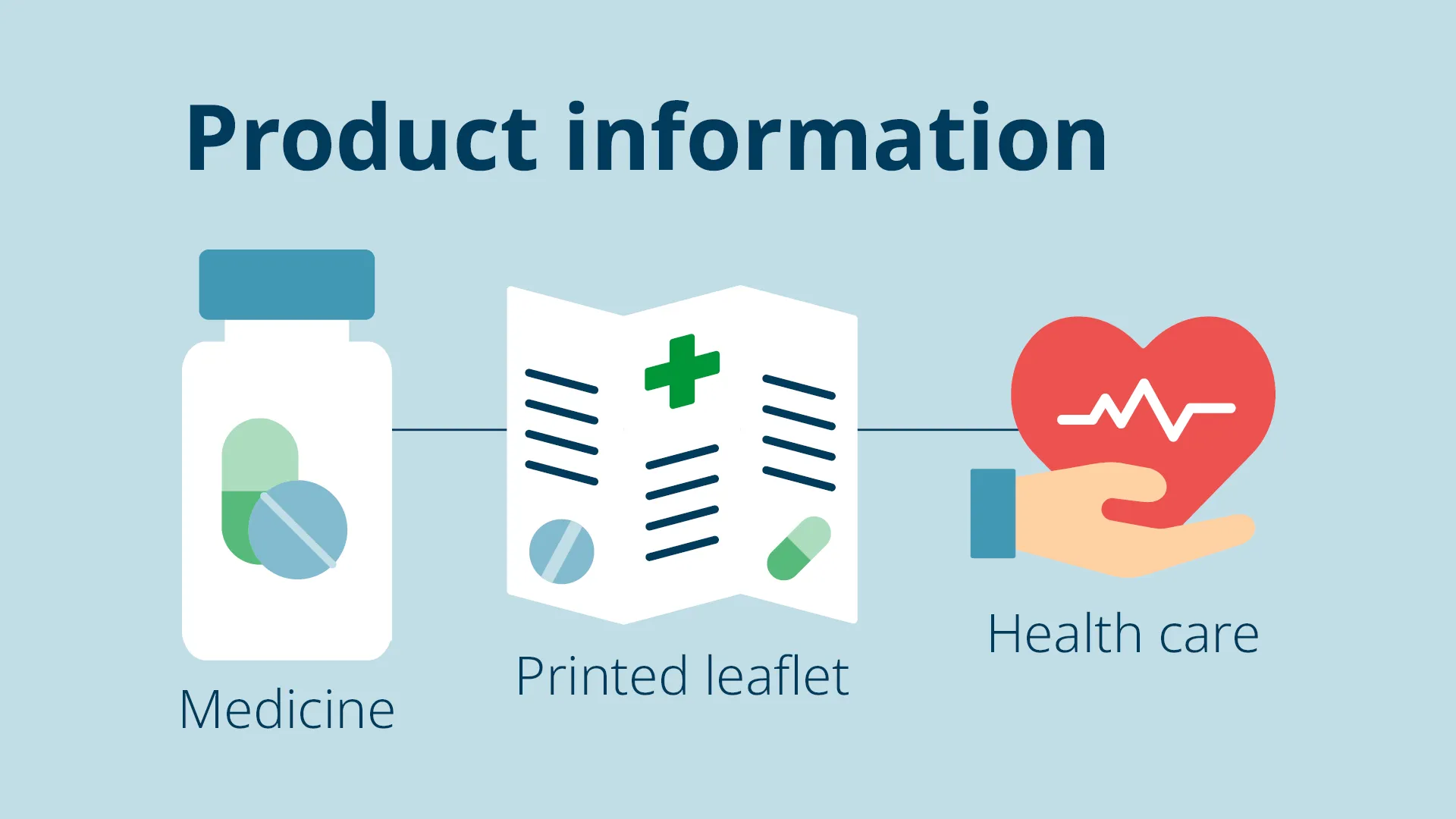
For many patients, especially those managing multiple medications, the traditional patient information leaflet can be a source of frustration. Complex language, lengthy instructions, and inconsistent translations often make critical information difficult to engage with, contributing to avoidable risks in medication use.
Recent research by the Western University of Health Sciences and Southern Illinois University Edwardsville, USA, underlines the value of rethinking the leaflet format. Within a controlled study, researchers compared electronic product information leaflets (ePIL), with traditional printed versions and found that ePIL significantly outperformed them on key criteria, such as comprehension, convenience, and visual appeal. Notably, comprehension scores were markedly higher, particularly among patients with lower health literacy, highlighting the value of simplified language and intuitive design in improving understanding.
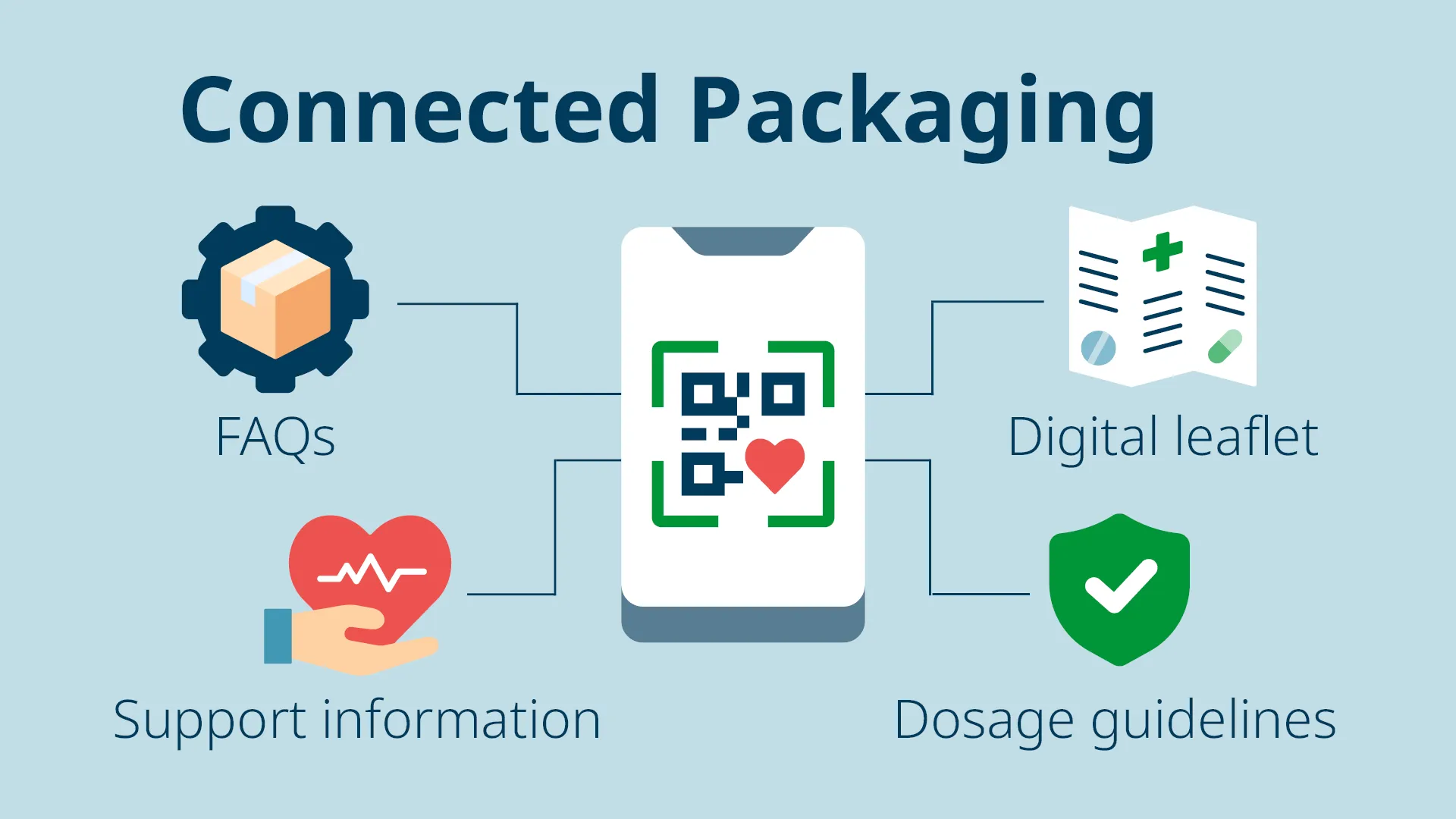
The adoption of digital leaflets, accessed via smart 2D Codes on pharmaceutical packaging, offers a practical and scalable way to improve patient engagement. With a simple scan, patients can access up-to-date information in their preferred language, presented in a clearer and more user-friendly format. Additional features, such as instructional videos or audio leaflets, can further support understanding across diverse patient populations.
Momentum for this shift is growing at an industry level. In early 2025, leading European pharmaceutical trade associations, including the Association of the European Self-Care Industry (AESGP), European Federation of Pharmaceutical Industries and Associations (EFPIA), and Medicines for Europe, recommended a phased rollout of the ePIL, proposing the removal of paper leaflets within four years. An EFPIA proposal highlights the benefits of ePIL in improving accessibility through language customisation, multimedia content, more timely updates, and environmental sustainability. This industry-wide move reinforces the case for modernising patient information through digital, connected packaging.
Bridging digital innovation with patient accessibility
While the benefits of ePIL are clear, it is important to recognise that digital solutions are not yet universally accessible. Patients may lack internet access, a smartphone, or simply find themselves without a working device when critical dosage or safety information is needed. In the medium term, there is a case for printed and digital leaflets to coexist – ensuring inclusivity and safety while embracing the advantages of connected, patient-centric packaging.
Supporting care through smarter connections
Patient safety relies on accurate information being available at every stage of the healthcare system. Yet gaps in communication, from prescribing to dispensing, remain a persistent challenge, particularly for patients receiving complex treatment.
Connected packaging offers a way to address these gaps. By embedding smart 2D codes that directly link to live data sources into pharma packaging design, manufacturers can give healthcare professionals access to the most current, batch-specific information when it matters most. This approach not only helps prevent the use of outdated instructions but also promotes safer prescribing and dispensing decisions.
From a broader system perspective, connected packaging can also strengthen supply chain management. According to a study by GS1, 82% of brand owners are in favour of transitioning to data-rich 2D codes, with many retailers aiming for this shift by 2027. Utilising an efficient inline digital pharma packaging printing system to print richer, standardised data on every pack would enable faster responses to recalls, improved product tracking and greater accuracy in dispensing. This combination of improved patient-level safety and supply chain efficiency demonstrates the broader value of connected packaging.
Packaging as a platform for patient care
As digital tools become more embedded in healthcare, patients are increasingly taking an active role in managing their treatment. However, pharmaceutical packaging remains one of the most consistent and tangible points of communication between manufacturers and patients. Making it a logical and practical platform for delivering timely, relevant information.
Connected packaging offers multiple benefits: it provides patients with easier access to clear and accurate information, offers healthcare professionals reliable data at the point of care, and enables manufacturers to manage updates in a flexible and compliant manner. Rather than simply meeting regulatory requirements, packaging becomes part of a broader strategy to support safer, more personalised care.
Bart Vansteenkiste, Global Life Sciences Sector Manager, Domino Printing Sciences, believes that connected packaging is an essential next step for pharmaceutical manufacturers seeking to deliver greater value throughout the healthcare ecosystem. “Packaging is evolving from a regulatory necessity into a patient support tool. By adopting connected features like smart 2D codes, manufacturers have a practical opportunity to improve access to information, reduce risks, and support patients more effectively throughout their treatment journey.”
Conclusion: connecting care from production to prescription
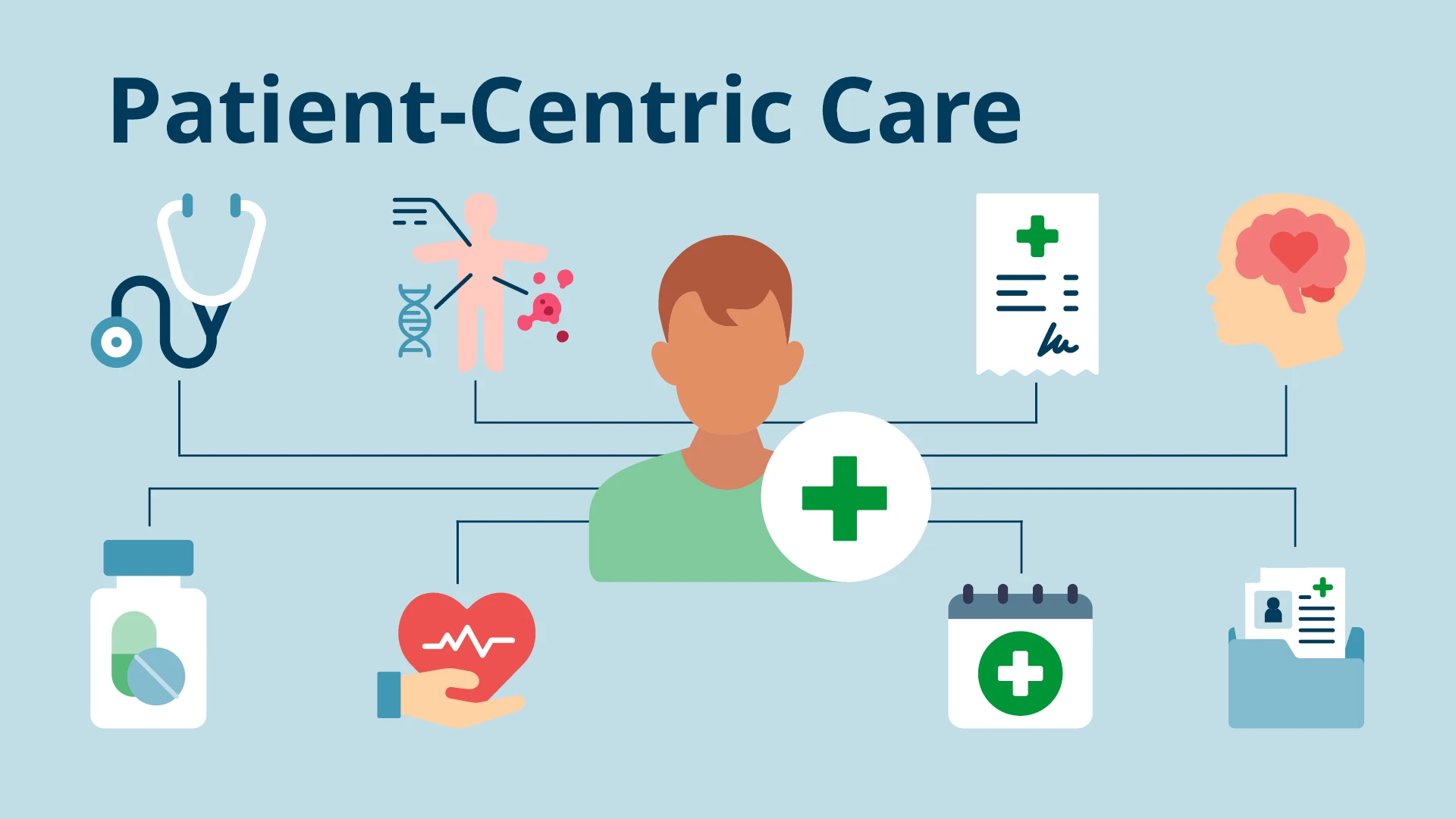
When combined with digital tools and connected platforms, smart packaging has the potential to make pharmaceutical care more responsive, personalised, and safe. It can help deliver clear and accessible information to patients, support safer prescribing decisions, and reduce risks throughout the healthcare system. As a result, connected packaging represents a significant step towards patient-centric healthcare.
For pharmaceutical packaging manufacturers, this evolution is a clear opportunity to move beyond regulatory minimums and position packaging as a strategic asset in delivering better patient outcomes. From the packaging line to the point of care, connected packaging offers a tangible way to put patients first – improving safety, understanding and trust from box to bedside.