In recent years, the beverage industry has seen major shifts—not only in consumer preferences and packaging, but in the technology used to code cans. One solution now stands out across global production lines: fibre Laser.
What began as an emerging innovation has become the industry standard. Over the past several years, Domino has worked alongside leading beverage manufacturers to refine and evolve its fibre laser offerings—turning early successes into robust, fully integrated systems designed for real–world production.
This journey, first outlined in our 2018 article, has led to specialised solutions that deliver speed, durability, and precision without compromising quality or uptime.
Cans: A Market on the Rise
The rise of fibre laser mirrors a broader global shift: the growing dominance of cans in beverage packaging.
The global beverage can market was valued at approximately US $39.2 billion in 2023, and is expected to grow to US $53.5 billion by 2030—a CAGR of 4.5–5.6% depending on source. This growth is driven by the popularity of canned soft drinks, energy drinks, RTD cocktails, and craft beverages, as well as increasing demand for sustainable, lightweight packaging.
In the U.S. alone, cans now account for over 64% of beer sales, while globally, aluminium can recycling rates remain strong—hovering between 65% and 76%, with Europe reaching as high as 76%.
This shift reflects consumer preference for convenience and recyclability—and growing brand investment in low–impact packaging formats.
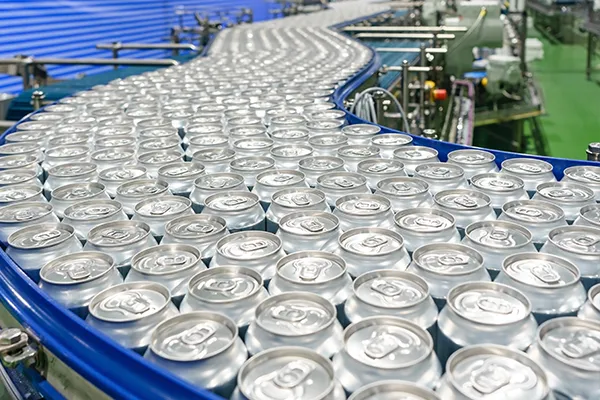
Why Fibre Laser Leads the Way
In beverage production, coding systems must deliver clear, permanent marks at high speeds with minimal maintenance. Fibre laser ticks every box.
As a non–contact solution, fibre laser enables consistently sharp, high–resolution codes on a wide range of materials. Its durability under moisture, heat, and aggressive cleaning conditions makes it well–suited for challenging production environments. The result? Clean, high quality, durable codes, marked inline as fast or faster that the highest speed production lines.
Beyond performance, fibre laser offers long–term environmental and cost advantages. With no need for chemicals or solvents and minimal consumables, it supports predictable maintenance planning and reduces operational overhead. Companies adopting laser marking have reported:
- Lower chemical usage and disposal costs
- Zero volatile organic compound (VOC) emissions
- Improved alignment with sustainability targets and eco–certification criteria
Fibre laser has become the standard for high–performance beverage coding. With more than 400 systems installed globally across major beverage brands, Domino continues to lead the way in delivering reliable, efficient, and sustainable laser marking solutions
Performance You Can Count On
Fibre laser’s long–term value comes from more than speed. These systems are built to minimise downtime, reduce operator intervention, and keep lines moving.
Combined with Domino’s integrated vision and reject functionality, BCCS and BECCS help manufacturers maintain code quality and reduce errors—without manual inspection or added equipment. Faulty or unreadable codes are automatically detected and rejected, keeping production compliant and efficient. This single solution approach reduces the space required for implementation reducing the overall production line footprint. Positioning of the system, before the filler drastically reduces changeover times on the line.
In fast–moving, high–output environments, this level of automation is essential—not just for productivity, but for quality assurance and peace of mind.
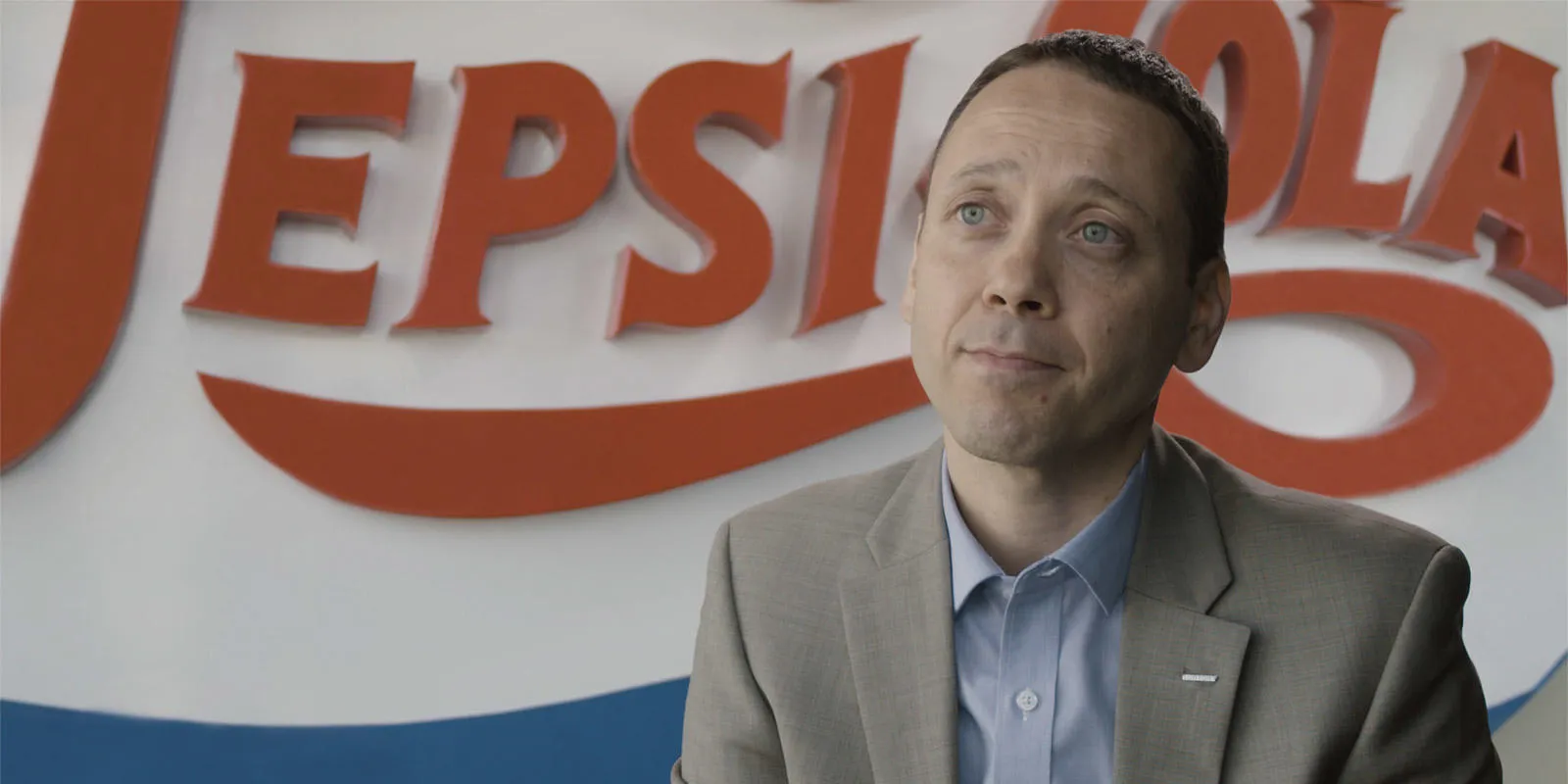
Sabri Kundakcioglu, Vice President of Engineering at Pepsi Bottling Ventures, summarises the three main reasons why the company decided to switch over Domino F720i fibre lasers: “quality, productivity, and sustainability.” Since introducing the F720i, the company has reported notable improvements in all three areas: “Line efficiency is improved; cost of production has been reduced, and customer complaints about proof printing quality have been reduced,” says Kundakcioglu. “Line efficiency is improved; cost of production has been reduced, and customer complaints about proof printing quality have been reduced,” says Kundakcioglu.
Specialised Systems for Full or Empty Cans
Recognising the operational and financial pressures manufacturers face, we’ve continued to refine our fibre laser technology to meet evolving production needs.
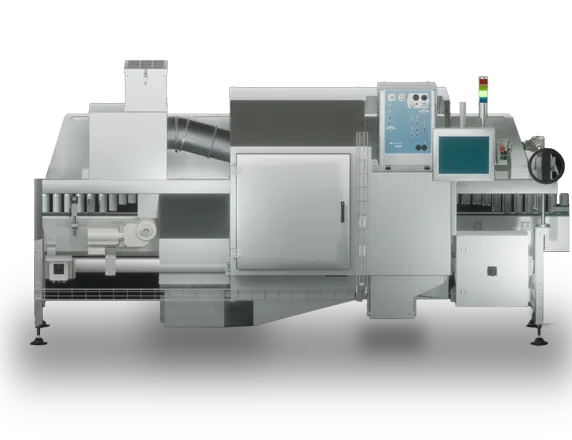
- Our journey began with the development of the BCCS (Beverage Can Coding System) – a purpose–built solution for coding full cans inline. It represented a major step forward from conventional laser systems, introducing a modular frame, integrated fume extraction, vision system compatibility, and IP–rated enclosures for washdown environments.
- Building on the success of BCCS and the insights gained from real-world applications, we took the concept further with the BECCS (Beverage Empty Can Coding System). This system is optimised for marking empty cans prior to filling, offering enhanced handling precision and code verification and rejection tailored to lightweight container.
Engineered for wet, sticky, and high–speed production settings, both solutions support consistent code quality, simplified installation, and high operational efficiency – whether installed at the start or end of the line.
Built for What’s Next
As the beverage sector moves toward smarter, greener production, Domino’s fibre laser solutions offer an inherently sustainable solution. With no consumables and no packaging waste, they support environmental goals while improving operational efficiency.
To make adoption even easier, Domino offers flexible financial services—including Operating leases or monthly payment plans that can reduce or eliminate upfront investment. This allows manufacturers to upgrade their coding technology with full control over budgeting and no surprises.
Domino’s BCCS and BECCS platforms deliver more than clean, high–speed coding. They offer complete systems designed for today’s production – and ready for tomorrow’s challenges.
Fibre laser isn’t the future of beverage can coding anymore. It’s the standard.